
Sherwani vs Kurta: What Should You Wear?
It's one of the most common questions in South Asian menswear: when it comes to sherwani vs kurta, which should you choose? Both are rooted in the same rich tradition of Indian textile craftsmanship, yet they serve quite different purposes — and choosing the wrong one for the occasion can leave you either overdressed or underdressed. This guide breaks down the key differences and helps you decide which garment belongs in your wardrobe.
What Is a Sherwani?
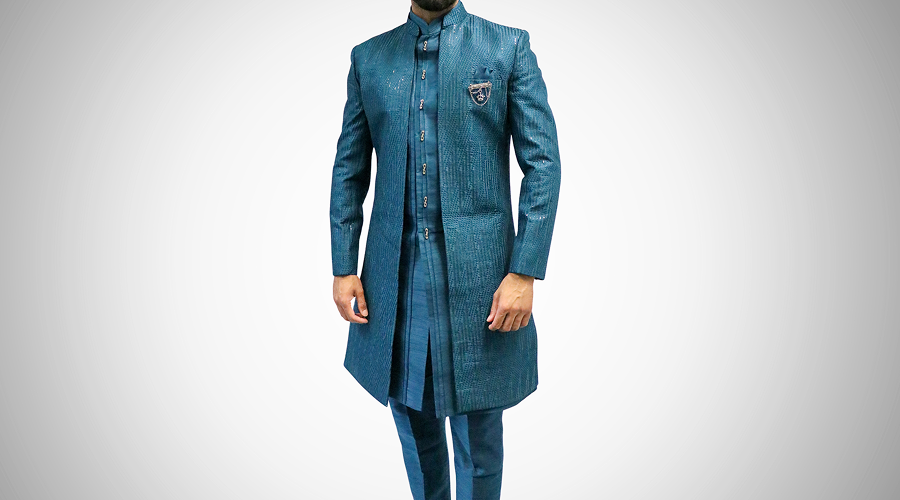
A sherwani is a long, formal coat-like garment that typically extends to below the knee, often reaching mid-calf. It buttons down the front and is usually worn over a churidar — fitted trousers that gather at the ankle. Sherwanis are characterised by their substantial construction: rich fabrics such as silk, brocade, or embroidered velvet, often with elaborate detailing at the collar, cuffs, and hem.
Historically associated with royalty and aristocracy on the Indian subcontinent, the sherwani remains the most formal garment in a man's ethnic wardrobe. The Majestic Black Three Piece Sherwani is a fine example of the form: crafted from premium fabric with precise tailoring, it carries the kind of weight and authority that marks a truly formal occasion. The Pastel Paradise Three Piece Sherwani demonstrates the other end of the sherwani spectrum — lighter in colour, equally luxurious in construction, and perfectly suited to daytime wedding ceremonies.
What Is a Kurta?
A kurta is a tunic-style garment, typically falling between the hip and the knee, worn over trousers or pyjama bottoms. It's a far more versatile garment than the sherwani: it can be plain and simple for everyday wear, or richly embellished for formal occasions. Kurtas are comfortable, practical, and range in formality from casual cotton everyday styles to heavily worked pieces appropriate for celebrations.
For occasions that call for something smart but not extravagantly formal, a well-chosen kurta is hard to beat. The Royal Blue Kurta is an excellent example of a kurta that works beautifully for semi-formal occasions — its rich colour and clean lines make it look considered and intentional without the weight of a full sherwani. For something lighter and more refined, the Cream Diamond Kurta, with its intricate diamond-woven fabric, strikes a perfect balance between elegance and ease.
Key Differences at a Glance
- Length: A sherwani extends to below the knee or mid-calf; a kurta typically falls between the hip and knee.
- Formality: Sherwanis are inherently more formal; kurtas span a wide spectrum from casual to semi-formal.
- Construction: Sherwanis use heavier, more structured fabrics and typically include more elaborate embellishment; kurtas are lighter and more relaxed in construction.
- Occasion: Sherwanis are suited to the most formal occasions — wedding ceremonies, particularly for the groom and close family. Kurtas suit a wider range: weddings as a guest, family celebrations, cultural events, and everyday occasions.
- Pairing: Sherwanis are almost always worn with churidar trousers; kurtas can be worn with pyjama bottoms, churidar, or even well-fitted Western trousers.
When to Choose a Sherwani
The sherwani is the right choice when the occasion is unambiguously formal and when you want to make a statement that matches the gravity of the event. This is the garment for grooms, fathers of the bride, or close family members at a wedding ceremony. It's also the appropriate choice for the most formal receptions, religious occasions where full formal dress is expected, and any setting where the dress code is explicitly ceremonial.
One important consideration: a sherwani is a significant investment, both financially and in terms of commitment. When you wear one, you are fully committed to the occasion. It is not a garment for hedging — it announces your presence clearly and formally.
When to Choose a Kurta
The kurta is the right choice for the vast majority of occasions in a man's ethnic calendar: as a wedding guest, for Diwali and family celebrations, for cultural events, and for everyday smart-casual wear. It offers the elegance of traditional Indian dress without the full weight and commitment of the sherwani, and its versatility makes it far more practical across a wardrobe.
For those building an ethnic wardrobe from scratch, a kurta — or two — is the natural starting point. The Royal Gold Kurta is an excellent foundational piece: warm in tone, versatile across occasions, and easy to layer beneath a Nehru jacket when the occasion demands more formality.
The Middle Ground: Adding a Nehru Jacket
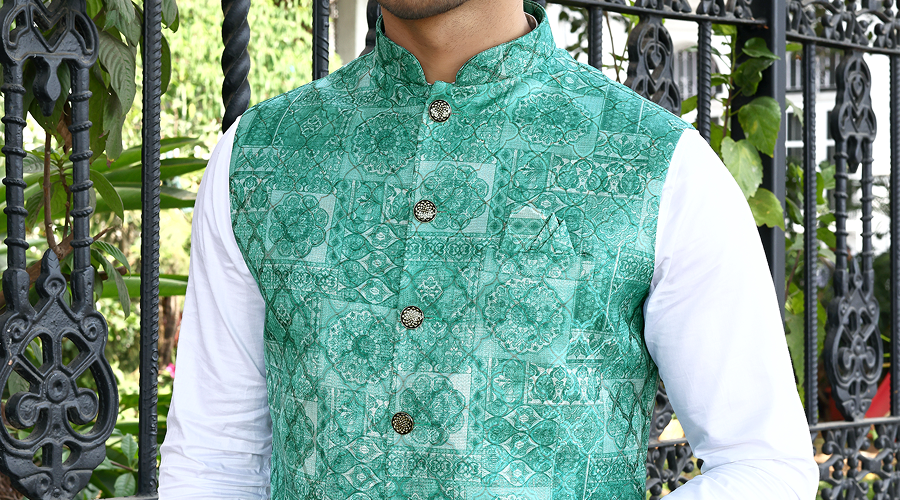
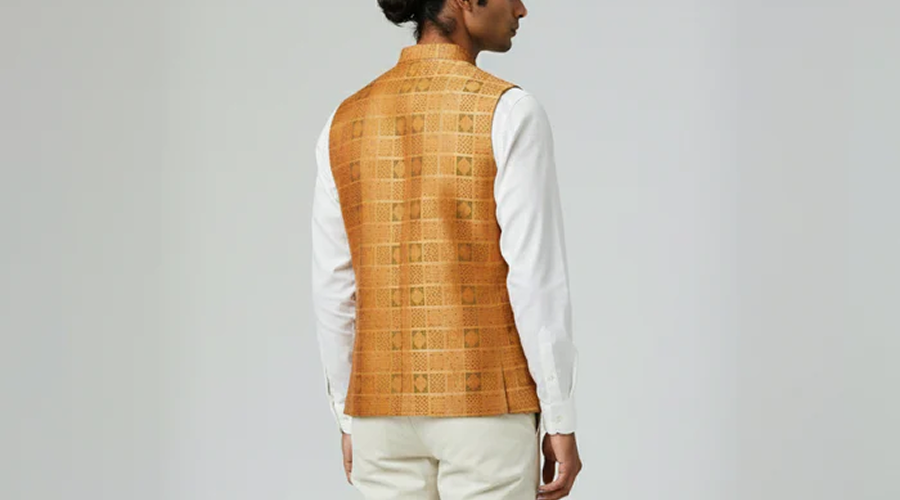
For occasions that fall somewhere between kurta-casual and sherwani-formal, the Nehru jacket offers an elegant solution. A plain or simply embellished kurta worn beneath a richly detailed Nehru jacket creates a layered look with genuine formality — closer in impact to a sherwani than a plain kurta, yet more relaxed and versatile. This combination is ideal for wedding guests who want to look dressed up, for family gatherings, and for any occasion where a sherwani might feel like too much.
Make the Right Choice for Your Occasion
The sherwani vs kurta question ultimately comes down to the occasion, your role in it, and the level of formality you want to project. Sherwanis for the most formal and ceremonial moments; kurtas for the rest — elevated when needed with a Nehru jacket on top.
Browse Indicoat's sherwani collection and kurta pyjama collection to find the right piece for your next occasion.